
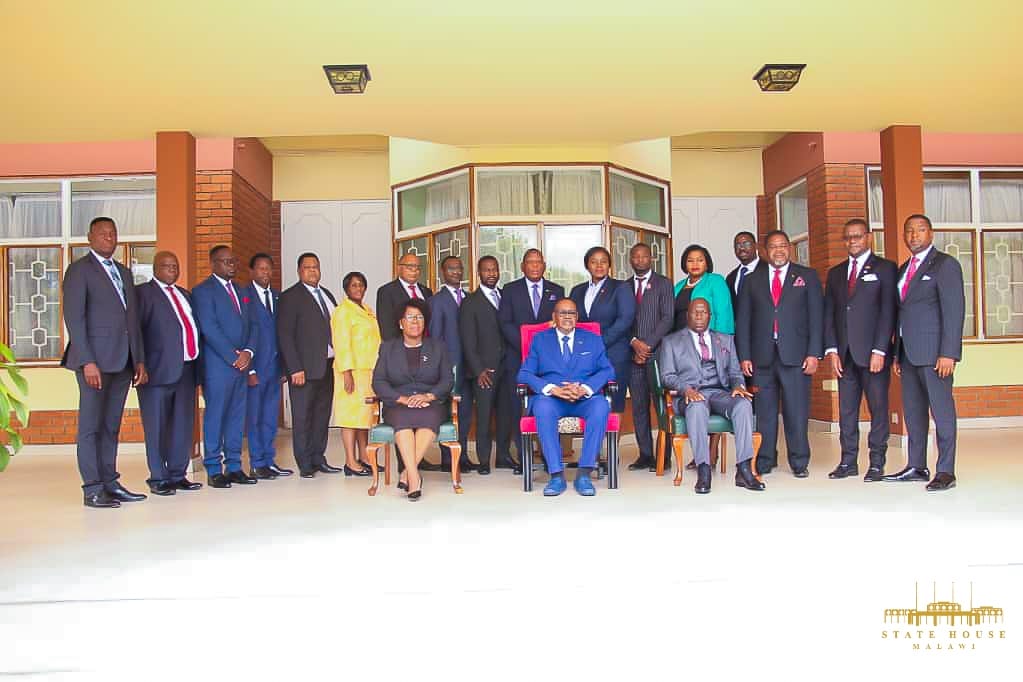
Beginning this year, The Investigator Magazine will publish a quarterly assessment of public perception, ministerial action, and the political narratives shaping the Malawi Government as it works to deliver on its manifesto promises. This exercise is intended not only to measure performance, but also to interrogate leadership energy, direction, and accountability in the early life of this administration.
A key early observation is striking: beyond the President and a small number of Ministers, much of the Cabinet appears to have slipped prematurely into a “business-as-usual” posture. This contrasts sharply with the urgency, momentum, and narrative-building Malawians typically expect from a new government seeking to define its direction and earn public confidence.
More concerning is the limited public engagement by several Ministers in the past 60 days. The absence of clear communication, visibility, or policy signalling raises questions about whether some are struggling to find their footing or simply failing to switch on.
While 60 days may seem a short window, it is also a critical agenda-setting period for any new administration. It is during this time that priorities are clarified, leadership styles revealed, and the tone for governance established. Our quarterly ratings will assess who is rising to this challenge and who is falling short. The ratings were before Monday night reshuffle!
Professor Arthur Peter Mutharika. GRADE: A
President of the Republic Malawi, Commander-in-chief of the Armed forces.
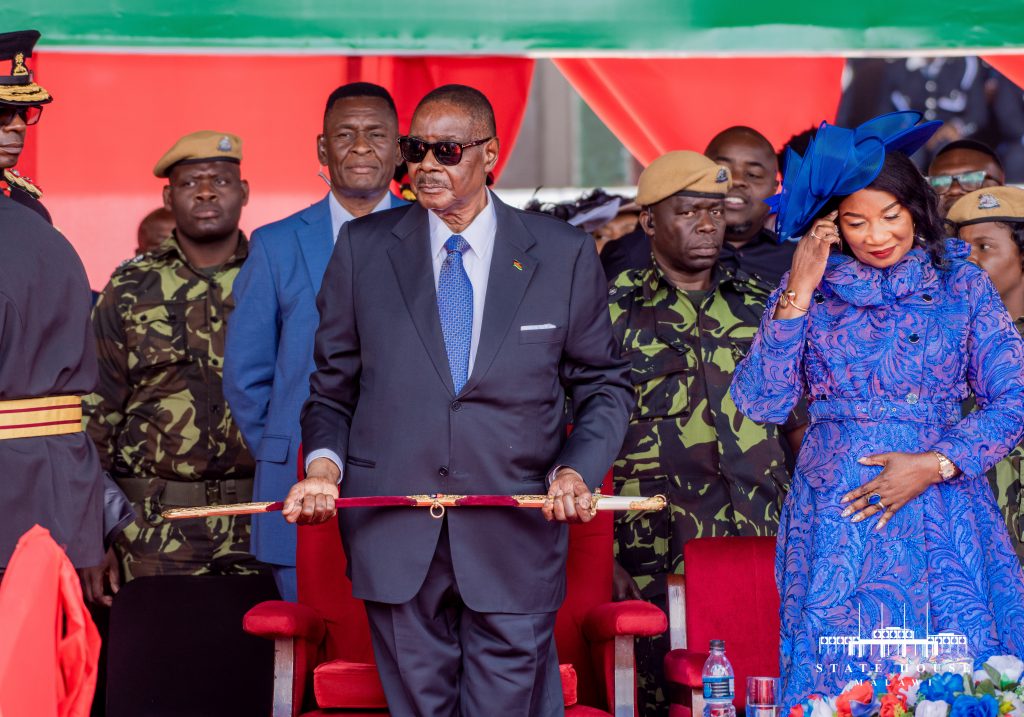
President Professor Arthur Peter Mutharika returned to office against the backdrop of a deeply unpopular predecessor. Reverend Lazarus Chakwera was ultimately ousted amid widespread perceptions of economic failure, entrenched nepotism, indecision, and administrative incompetence. Under his tenure, nearly every sector of Malawi’s economy showed signs of collapse, leaving living conditions unbearable for many citizens. One of Chakwera’s most criticised traits was his slow decision-making, an accusation that had also trailed Professor Mutharika during his first term (2014–2019).
However, the first 90-plus days of Mutharika’s second term suggest a markedly different leadership posture. The President appears firmly in charge, demonstrating decisiveness and responsiveness to unfolding events within his administration. The contrast with his first term is notable. Early concerns that he would govern as a figurehead manipulated by unseen forces have largely dissipated. His inaugural address set clear expectations, and thus far, he has broadly adhered to the commitments outlined.
Cabinet formation has reinforced this perception. The President appointed a relatively lean cabinet, largely guided by merit rather than entitlement, though not without unexpected choices, such as the appointment of George Partridge at Trade, that few observers anticipated. These decisions signalled an intent to reset governance norms.
Importantly, the President has matched rhetoric with action on austerity. He has curtailed presidential travel, limited relocations, and demonstrated restraint in public spending. His willingness to appoint individuals outside the DPP, despite backlash from party loyalists who felt entitled to positions, has further strengthened his reformist image. Equally telling is his refusal to remove the Governor of the Reserve Bank of Malawi, despite pressure from influential DPP figures. This steadiness has reassured many Malawians who feared excesses by party hardliners under a DPP administration.
Governance discipline has also improved. Ministers are visibly under pressure to perform, and the President’s firm public stance on Vice President Jane Ansah, along with his apparent influence in the cancellation of public contracts linked to Minister Alfred Gangata’s firm, has earned him renewed credibility. Even long-standing critics have begun reassessing their earlier characterisations of his leadership.
That said, unresolved issues remain. Questions persist around the absence of lifestyle audits for key appointees and the continued presence of individuals accused of benefiting from the previous MCP administration’s excesses. Additionally, the President’s limited physical presence among affected communities, such as flood victims and rural districts like Nkhotakota, which shifted politically from MCP to DPP, risks weakening grassroots confidence. For these constituencies, direct engagement and reassurance carry symbolic weight beyond government assistance.
Further concerns include the need for definitive closure on the death of Saulos Chilima and clarity around conflicting statements by Vice President Jane Ansah regarding the resources used in related processes. These issues continue to linger in the public consciousness.
Overall Rating GRADE A:
President Mutharika’s second-term start can be graded as excellent, with clear upward momentum. He has reasserted authority, stabilised governance, and restored confidence in the presidency. Should he decisively address misconduct within government, enforce accountability across party lines, and preside over a tangible economic turnaround, he may yet earn an A+ rating. For now, the Professor has made a strong and credible start.
Dr. Jane Ansah, SC, JA Rtd. GRADE C
Vice President of the Republic Malawi
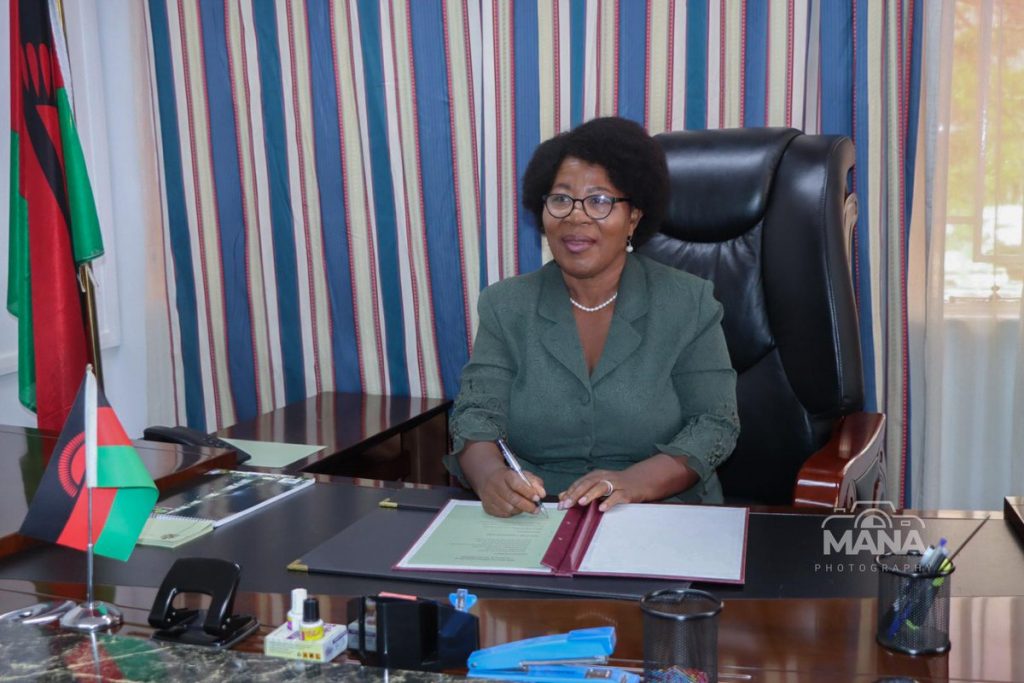
Dr. Jane Ansah,SC remains one of the most polarising figures in Malawi’s political landscape. President Mutharika’s decision to announce her as his running mate merely confirmed what was already evident: her political career would unfold under intense public and institutional scrutiny. From the outset, there has been a visible undercurrent, both within and outside the DPP, of stakeholders anticipating or even rooting for her failure.
Her defining personal strength appears to be a firm, almost detached, confidence in legality over optics. According to close aides, her guiding principle is simple: as long as the law is not broken, her conscience is clear. While this approach reflects integrity and decisiveness, politics is ultimately driven by perception as much as principle. On this front, Dr. Ansah may need a more robust advisory structure, one that rigorously stress-tests each major decision against public sentiment before it reaches the public domain.
Operationally, she has performed strongly in her role as second-in-command. She has taken charge of the public-facing functions of government, frequently representing the President and executing her mandate as Minister of Disaster Preparedness. In these areas, her visibility and hands-on engagement have earned her positive marks. Criticism surrounding her frequent domestic travel appears inconsistent, particularly given that similar behaviour by her predecessors was widely applauded rather than questioned.
The most significant setback to an otherwise solid start has been her official trip to the United Kingdom, notably the early decision to travel with a delegation of 16 at a time when the government is publicly promoting austerity measures. This episode revealed a key vulnerability: her sensitivity to public perception remains shaped by her judicial background, where adherence to the law outweighs political optics. In a struggling economy, however, public perception is not a secondary concern; it is central to political survival.
Beyond public optics, Dr. Ansah must also navigate internal party dynamics. Her perceived status as a potential successor to the President has unsettled some within the DPP who harbour ambitions for 2030, complicating internal cohesion. Compounding this challenge are apparent information leaks from her office, suggesting weaknesses in internal controls and loyalty management.
Overall Rating GRADE C:
At this stage, Dr. Jane Ansah earns a satisfactory rating in her performance as Vice President and Minister of Disaster Preparedness. Her administrative competence and visibility are clear strengths. However, her long-term political viability will depend on her ability to adapt to the realities of perception-driven politics, manage internal party anxieties, and tighten operational discipline within her office.
Enoch Kamzingeni Chihana NOT GRADED
Second Vice President of the Republic of Malawi
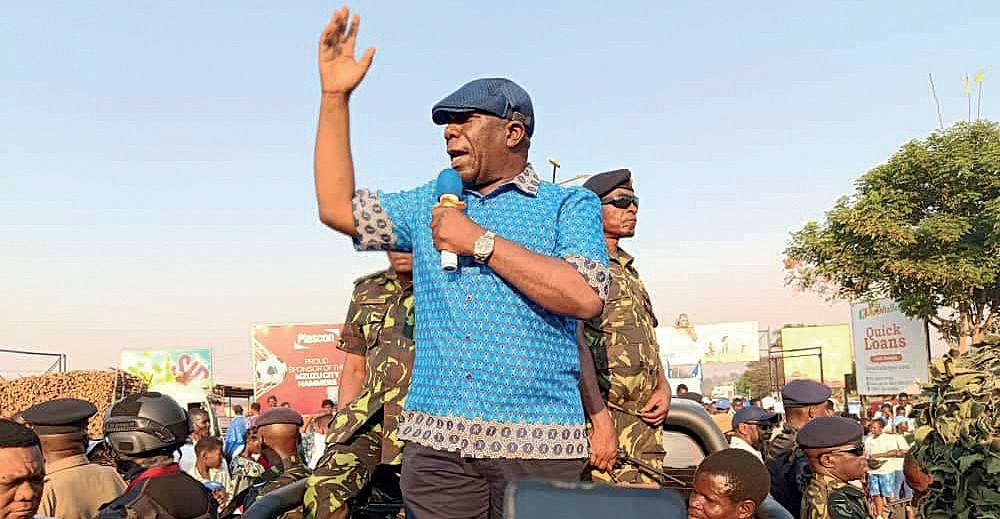
The Second Vice President appears to have adopted a largely self-directed agenda, undertaking nationwide travel to communicate government activities directly to the public. Over the past 60 days, however, the office has had limited formally delegated responsibilities, with the notable exception of advocacy for Mombera University. As such, a substantive assessment of the office’s performance may be more appropriate once its mandate, duties, and institutional role become clearer over the next two to three quarters.
Alfred Ruwan Gangata, NOT GRADED
Minister of State
Although the ranking of ministerial announcements places him fourth, effectively positioning him as a senior minister, the presence of two deputies has rendered Mr. Gangata’s functional role within government unclear. Historically, similar arrangements have been described in varying terms—Kamuzu Banda referred to such positions as “Minister without Portfolio,” while Bakili Muluzi framed them as “Special Duties.” During the formative stages of the cabinet, Mr. Gangata maintained a visible presence in the public sphere. More recently, however, his media coverage has largely centred on matters not directly linked to his official portfolio. A comprehensive assessment of the performance of his office will therefore be deferred to subsequent quarters, pending greater clarity on his defined responsibilities.
Joseph Mwanamvekha, M.P., GRADE A
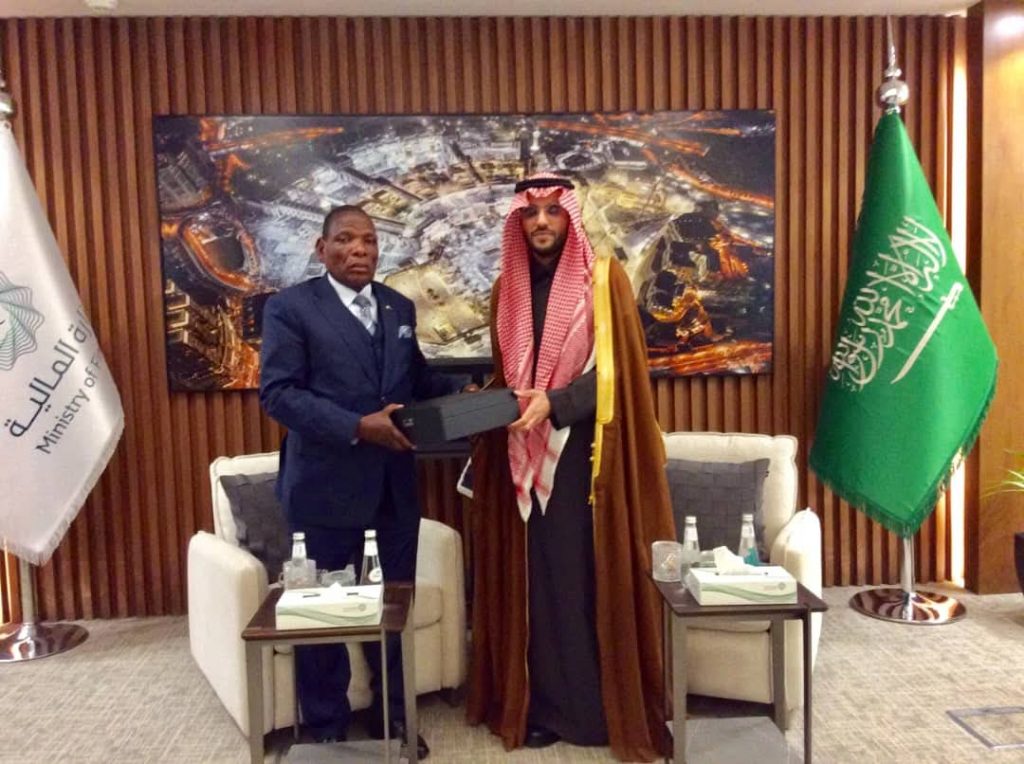
Minister of Finance, Economic Planning and Decentralisation
The Minister of Finance assumed office amid a severely distressed economy, inheriting weak fiscal fundamentals and limited policy room. Early in his tenure, he confronted difficult but necessary trade-offs, most notably the increase in VAT, a move that has raised consumer costs but improved revenue mobilisation in the short term.
Joseph Mwanamvenkhaha’s approach has centred on stabilisation before expansion. His policy choices reflect an attempt to balance economic salvage with gradual recovery. Key macroeconomic indicators suggest tentative progress: the kwacha has remained broadly stable and, at times, appreciated; inflation, largely driven by food prices, has stabilised and begun to ease. These outcomes indicate some success in restoring confidence and containing macroeconomic volatility.
Fiscal consolidation has been pursued through austerity measures, which have reportedly generated internal resistance within cabinet, particularly from ministers advocating for payments to preferred suppliers. Despite these pressures, Mwanamvenkha has maintained a disciplined stance. His position as Vice President of the DPP provides political leverage, but his effectiveness appears to stem more from a calm, technocratic style than from overt political muscle.
The passage of the budget review underscores his capacity to build cross-party support, lending credibility to his policy framework. Notably, the decision to resist devaluing the kwacha has so far contributed to market stability, suggesting prudent judgment in managing currency expectations.
Overall Assessment:
The Minister’s performance to date indicates competence, fiscal discipline, and improving policy coherence. While challenges remain, particularly around cost-of-living pressures and budget execution, his stewardship has been broadly reassuring.
Rating: A
Outlook: Positive. An upgrade to A+ is warranted if budget targets are met and macroeconomic stability is sustained.
Roza Mbilizi Fachi, M.P., GRADE A
Minister of Agriculture, Irrigation and Water Development

The appointment of Roza, an economist with a strong background in taxation, to head the Ministry of Agriculture and Water Development initially generated scepticism. Agriculture remains Malawi’s most politically sensitive sector, with direct implications for food security, rural livelihoods, and electoral outcomes. However, her early tenure has been marked by a pragmatic and results-oriented approach.
The rollout of the Farm Input Subsidy Programme (FISP), the most politically charged intervention in the sector, has largely met expectations. Implementation has progressed with relatively few systemic failures, and most reported challenges have been linked to external actors such as vendors rather than product availability. Achieving over 50% delivery at this stage represents a significant improvement, especially when contrasted with the 2023 and 2024 seasons, during which fertiliser distribution extended as late as January and February, well beyond the optimal planting window.
Beyond inputs, food availability has improved, suggesting better coordination and planning within the ministry. These gains point to growing administrative control and a clearer policy direction. Looking ahead, there is scope for deeper structural reform, particularly the reorganisation of entities such as Agricom and related initiatives, to ensure that support reaches productive farmers rather than politically connected intermediaries.
The principal constraint on a higher performance rating lies in the water sector. The Central, Lilongwe, Northern Region, and Blantyre Water Boards have underperformed, undermining service delivery and public confidence. Addressing governance and operational inefficiencies within these institutions remains an urgent priority.
Overall Assessment:
The Minister has made a strong start in a politically volatile portfolio, delivering measurable improvements in fertiliser distribution and food availability. Weak performance in the water sector, however, tempers the overall evaluation.
Rating: GRADE A
Outlook: Moderately positive. Substantial reform of water boards and further institutional strengthening in agriculture could justify an upgrade to A+.
Bright Msaka, SC,GRADE B
Minister of Education Science and Technology
The most experienced public servant in government now leads the education portfolio. True to form, he focuses on delivery rather than rhetoric. He has fulfilled a key DPP manifesto commitment by implementing free education in secondary schools, an achievement that, on its own, would merit a high rating.
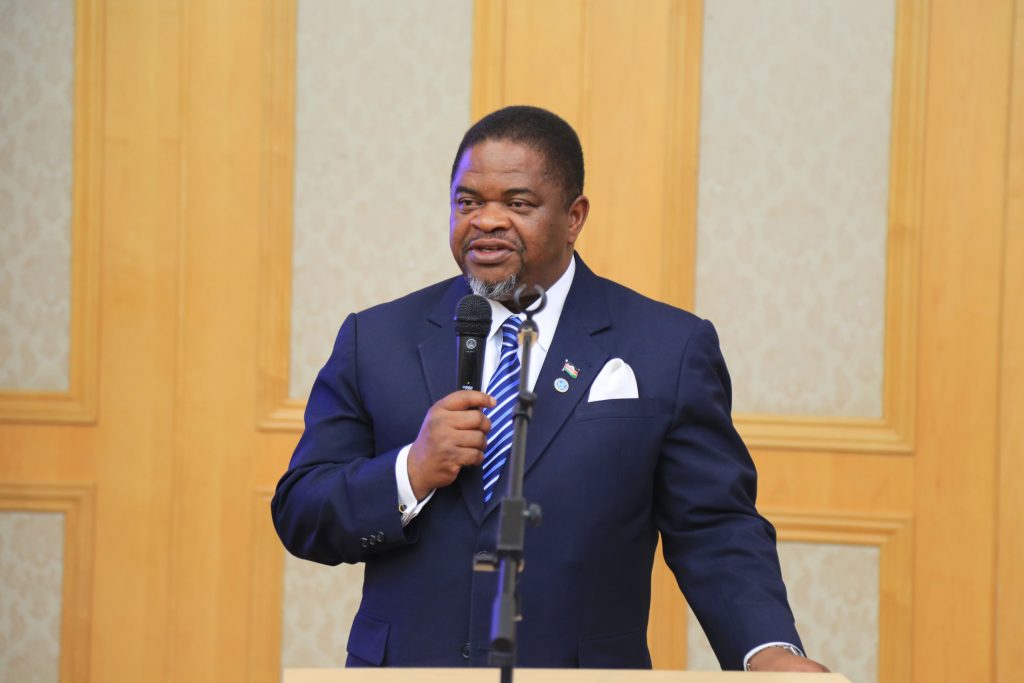
However, the education sector is currently under significant strain. Ongoing school strikes, inconsistent messaging from the Ministry, and an apparent lack of clear direction in addressing rising school violence have undermined progress. The escalation in unrest has resulted in extensive damage to education infrastructure, costing billions.
There is a pressing need for the Minister and his team to engage more openly, particularly by creating channels for young people to voice their concerns and grievances.
That said, the Minister has shown an ability to deliver on commitments, and with stronger engagement and clearer leadership, there remains scope for his performance rating to improve as the year progresses.
Charles Mhango, GRADE C
Minister of Justice and Constitutional Affairs
The Minister of Justice heads a portfolio that must visibly demonstrate the primacy of governance and the rule of law. In a context marked by questionable public contracts and alleged large-scale theft of public resources, Minister Charles Mhango, together with the Attorney General Frank Mbeta, the Director of Public Prosecutions Fostino Maele, and the Director General of the Anti-Corruption Bureau Gabriel Chembezi, faces mounting pressure to convince Malawians that the justice system is neither compromised nor selectively applied.
To date, the Attorney General has not moved decisively to challenge court injunctions that facilitated the deployment of personnel across institutions, while the DPP has yet to initiate meaningful asset recovery efforts linked to widely acknowledged cases of looted public funds. This inaction has reinforced public scepticism.
More troubling are persistent reports alleging that some officials within the justice system have been soliciting inducements from business figures and politicians to evade accountability. There are also allegations that the Ministry directed the Financial Intelligence Authority to unfreeze funds linked to certain MCP politicians—claims that, if left unaddressed, further erode public trust.
There are reports of senior justice officials spending more time in offices of contractors and businesspersons than at Capital Hill.
As the political head of the Ministry, Mhango bears ultimate responsibility. After more than 60 days in office without a single visible effort to recover misappropriated public resources, the lack of tangible action reflects poorly on both his leadership and the institutions under his supervision.
While the Minister earns a C rating for public engagement and appearances, many Malawians remain deeply disappointed by the absence of concrete measures to ensure accountability for injustices committed over the past five years. The justice sector’s credibility now hinges on whether words are matched with decisive action.
Dr. George T. Chaponda, M.P., GRADE A
Minister of Foreign Affairs and International Cooperation
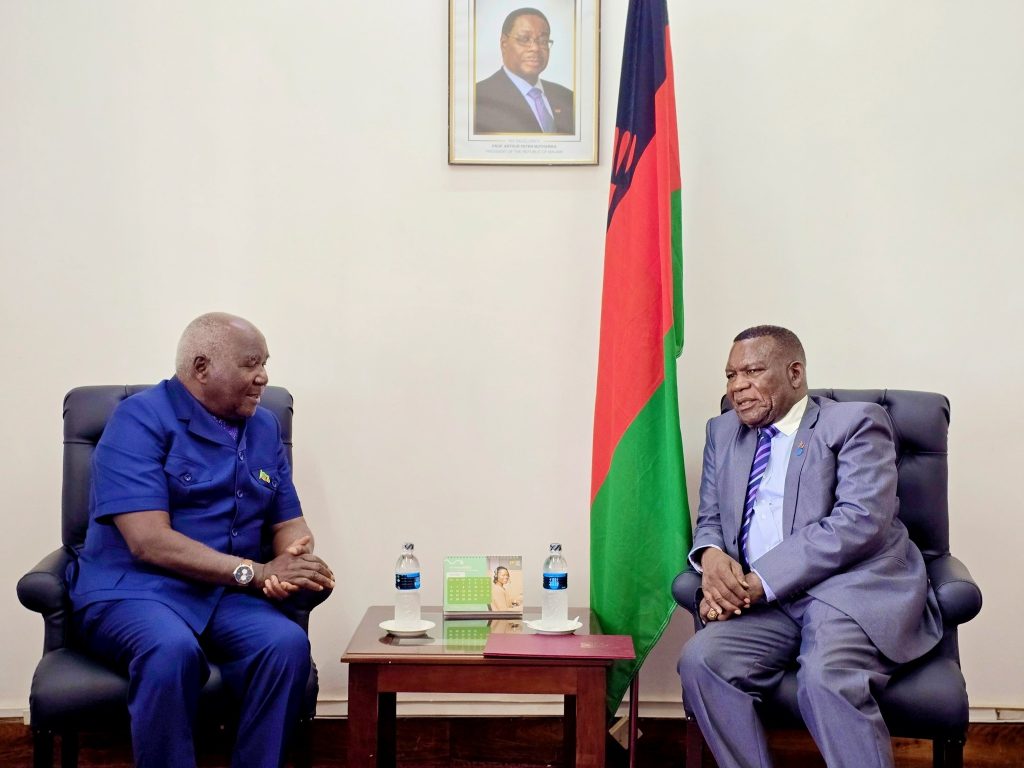
The veteran politician has made a smooth transition back into office as Malawi’s top diplomat. His performance on the international stage, combined with steady engagement at the local level, has helped reset the tone of the country’s diplomacy. Notably, there has been a reduction in public friction with development partners, suggesting a more measured and professional approach to foreign relations.
His most significant test, however, still lies ahead. The appointment of diplomatic personnel has historically been vulnerable to political patronage, often favouring party officials and relatives of senior government figures. How Dr. Chaponda navigates this process will be a critical indicator of his commitment to professionalism and merit-based governance.
For his performance so far, Dr. Chaponda earns an A rating, with room for further improvement in the coming year. Of concern are recent leaks of official documents, including details surrounding the Vice President’s trip to the United Kingdom and the recall letter of Ms. Violet Chakwera. Such breaches undermine the confidentiality essential to effective diplomacy and risk eroding the confidence of international partners.
Overall, the Minister has made a strong start, and with tighter internal controls and disciplined handling of sensitive information, his standing could strengthen even further.
Madalitso Baloyi, M.P.,GRADE C
Minister of Health and Sanitation
It is widely acknowledged that the Health Minister inherited a deeply weakened ministry and a healthcare system under severe strain. However, early in her tenure, there has been limited visible leadership in addressing the acute challenges facing major referral hospitals such as Kamuzu Central Hospital, Queen Elizabeth Central Hospital, and Mzuzu Central Hospital.
Serious incidents have heightened public concern. Delays in cleaning a dialysis machine at Kamuzu Central Hospital reportedly contributed to loss of life; allegations of patient mistreatment at Balaka District Hospital remain unresolved; and persistent shortages of essential medicines, particularly in rural facilities, continue to undermine confidence in the health system.
There is an urgent need for the Minister to reset the tone of leadership and clearly articulate her priorities for stabilising service delivery. Public patience is wearing thin, and while resource constraints are real, some of the sector’s challenges require managerial discipline and personnel realignment rather than additional funding alone.
Despite being publicly visible, the Minister has yet to build a compelling narrative of reform or signal a decisive change in direction. As such, she receives a C rating at this stage. With clearer leadership, stronger accountability, and decisive intervention at failing facilities, there remains room for improvement, but the need for action is immediate.
.
Dr. Ben Malunga Phiri, M.P., GRADE A
Minister of Local Government and Rural Development
The Minister of Local Government has returned to a portfolio he previously held in 2020, bringing with him institutional memory and a clearly articulated agenda. His leadership style has been notably visible: weekly updates outlining engagements and policy activities have positioned the ministry as one of the most active and communicative within government.
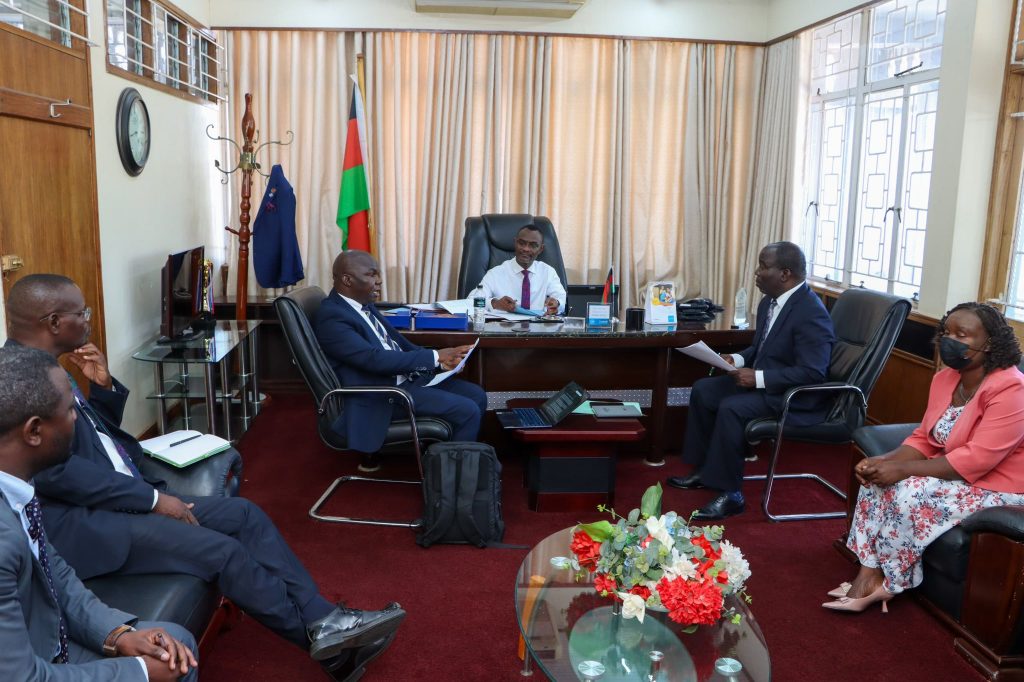
A key moment in his tenure was the public disclosure that Malawi risks losing approximately US$150 million in development projects due to poor absorption capacity. This intervention successfully elevated a long-standing but often ignored issue into the national policy debate, prompting broader scrutiny of systemic weaknesses in project implementation and resource utilisation. However, while the diagnosis was politically and administratively important, the absence of a clearly communicated remedial strategy has limited the practical impact of this revelation.
Operational performance at the subnational level remains the ministry’s most significant vulnerability. City Councils and District Councils, critical delivery arms of local government, have largely remained invisible in terms of tangible service delivery, despite collecting substantial revenues from markets, licences, and local levies. This disconnects between revenue collection and public service provision continues to undermine public trust and dilutes the minister’s reform narrative.
Overall Assessment:
The Minister demonstrates strategic clarity, strong visibility, and an ability to shape national conversations on governance and development effectiveness. Nonetheless, persistent weaknesses in local authority performance constrain his overall impact.
Rating: Grade A
Outlook: Cautiously positive. Effective enforcement of accountability and measurable service delivery improvements at city and district council levels would justify an upgrade to A+.
Dr. George Partridge, GRADE C
Minister of Industrialization, Business, Trade and Tourism
The Minister entered office with strong credentials as a seasoned business practitioner, and his appointment was widely welcomed by stakeholders who anticipated a decisive shift in economic and industrial policy. Expectations were particularly high given the ministry’s central role in driving production, industrialisation, export growth, and tourism development.
To date, however, the anticipated transformation has yet to materialise. While the Minister holds a strategic portfolio with the potential to significantly influence economic recovery and diversification, his early tenure has been characterised by continuity rather than disruption. Public engagement has largely consisted of routine activities—workshop openings, ceremonial appearances, and standard stakeholder meetings—without a clearly articulated reform agenda or signature policy initiative.
This perceived “business-as-usual” approach has raised questions among the business community and the broader public about what distinct value his leadership will bring. Given the breadth and weight of the ministry’s mandate, there is an expectation that the Minister should be highly visible, proactive, and agenda-setting from the outset. Clear policy signals on industrialisation, SME support, investment facilitation, and tourism revival remain notably absent.
Overall Assessment:
Despite strong personal credentials and a strategically powerful portfolio, the Minister has yet to translate promise into policy momentum. The gap between expectations and observable outcomes currently defines his performance.
Rating: GRADE C
Outlook: Open. A clear reform roadmap sustained public leadership, and early wins in industrial and tourism policy could significantly improve this rating as the year progresses.
Feston Kaupa, M.P.,GRADE C
Minister of Transport and Public Works.
The Minister is a first-time appointee leading a portfolio burdened by long-standing structural challenges, particularly the deteriorating state of the national road network. In operational terms, his initial responses to infrastructure-related disruptions have been timely and effective, indicating administrative competence and an ability to manage immediate pressures.
However, over the past 60 days, the Minister has been largely absent from shaping and communicating a clear infrastructure agenda for the third DPP administration. As a political head of the ministry, visibility and public engagement are essential. On issues that directly affect citizens’ daily lives, such as road conditions, project prioritisation, and funding transparency, his silence has been notable.
Public concern remains high around the condition of roads, the utilisation of fuel levy resources, and accountability in the management of toll bridge funds. These are politically sensitive issues that demand clear leadership and a willingness to signal a break from past practices. To date, the Minister has not sufficiently articulated how his leadership will differ from that of his predecessors.
Equally pressing is the absence of a strong road safety agenda. Traffic accidents have increased, with infrastructure quality increasingly cited as a contributing factor. This trend calls for ministerial leadership in coordinating safety initiatives, public awareness campaigns, and infrastructure standards. Thus far, the Minister has maintained a low public profile on this front.
Overall Assessment:
The Minister has demonstrated a solid start in crisis response but has yet to assert himself as the political and strategic leader of the infrastructure sector. Agenda setting, transparency, and sustained public engagement remain key gaps.
Rating: C (First 60 Days)
Outlook: Upward potential. If the Minister builds on his disaster-response performance by clearly articulating reform priorities and leading on road safety and funding accountability, future ratings could improve significantly.
Peter Mukhito, GRADE B
Minister of Homeland Security
The Minister, also serving as the Secretary General of the DPP, has maintained a calm and low-profile approach since taking office. His public visibility has been limited, but operationally, there have been some notable achievements. Passport services have continued with minimal disruption, and the approval of plans to decongest prisons is a positive step in addressing long-standing institutional crises in the corrections system.
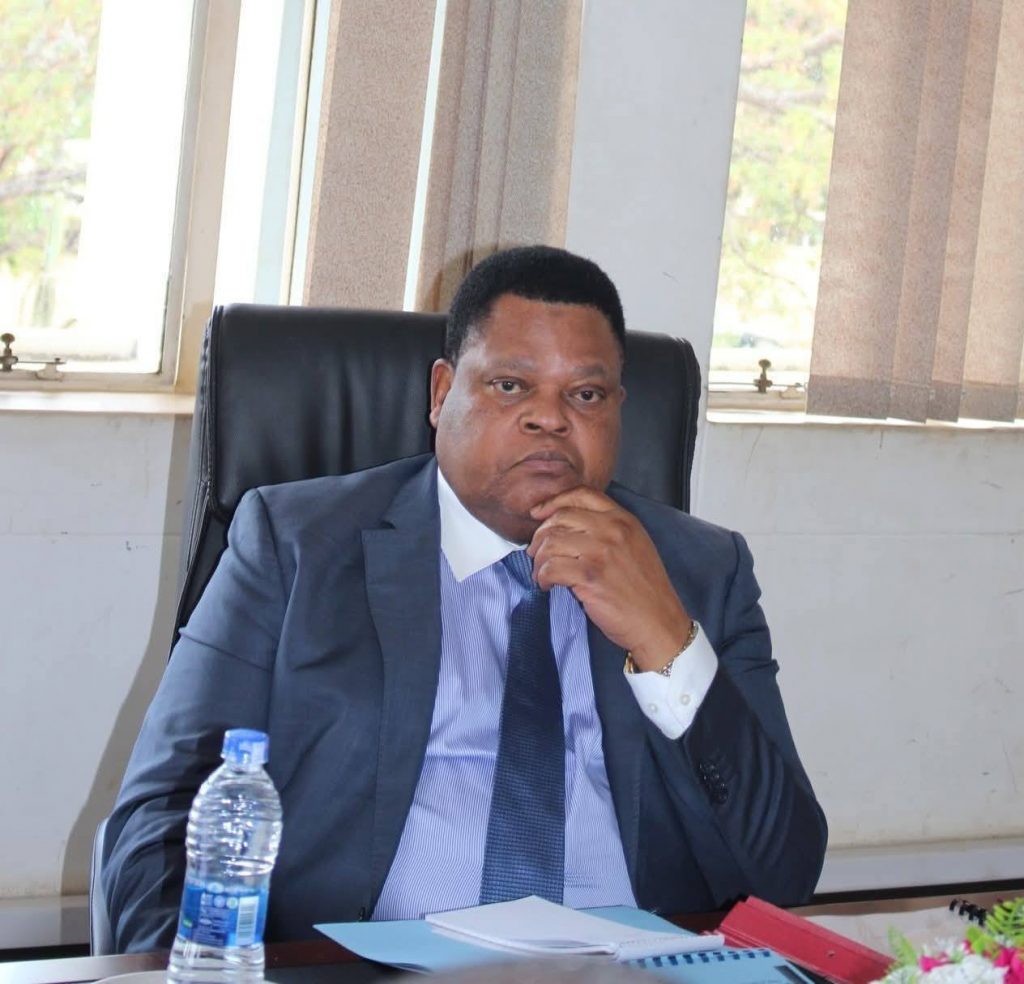
However, public perception of security has been affected by high-profile incidents. The Malawi Police Service’s decision to conduct a media parade of suspects in the murder of Dr. Victoria Bobe drew criticism and reflects gaps in oversight and strategic direction from the Ministry. While his background role may have contributed to operational stability and morale within the police, the lack of visible engagement and agenda-setting limits the Minister’s political and public profile.
Key areas requiring immediate focus include:
- Setting a clear agenda for improved security and law enforcement accountability.
- Enhancing public engagement to provide assurances on safety and confidence in police operations.
- Promoting community-based approaches to minor offenses rather than over-reliance on incarceration.
- Tightening oversight of police conduct to prevent actions that undermine public trust.
Overall Assessment:
The Minister has made a solid operational start behind the scenes, but the absence of visible leadership and strategic communication constrains his political rating. There is significant potential to improve security outcomes and service delivery in homeland affairs.
Rating: B (Good)
Outlook: Positive. If he successfully disrupts criminal networks, strengthens service delivery, and leads visible reforms in policing and corrections, his rating could rise to A.
Mary Navicha, M.P., GRADE A
Minister of Gender, Children, Disability and Social Welfare
From the outset, Mary Navicha has demonstrated the right political tone, leadership, and engagement expected of a cabinet minister. She has been present at key emerging issues, clearly communicating her priorities and demonstrating a strong interest in advancing social welfare and community development initiatives.
Despite the Ministry’s broad mandate, the Minister has maintained visibility across critical sectors requiring political oversight. Her proactive approach and clearly articulated agenda distinguish her as one of the few ministers with both clarity of purpose and consistent delivery. This early performance positions her strongly in the political ranking.
However, persistent challenges remain. Social abuse of children and women, including rising cases of sexual violence against young girls—requires urgent and sustained attention. Legislative initiatives aimed at protecting vulnerable groups have also stagnated and could benefit from her active championing in Parliament and public advocacy.
Overall Assessment:
The Minister exhibits strong leadership, clear agenda-setting, and consistent delivery across her portfolio. Addressing pressing social abuses and advancing protective legislation would further consolidate her impact.
Rating: GRADE A
Outlook: Very positive. Continued visibility, advocacy, and legislative progress could elevate her performance to A+.
Dr. Jean Mathanga, M.P., GRADE B
Minister of Natural Resources, Energy and Mining
The Minister began her tenure strongly, achieving a high-profile win by ending the persistent fuel queues that had frustrated Malawians for years. She also represented the country at the Brazil Climate Change Summit, outlining the new government’s environmental and energy agenda.
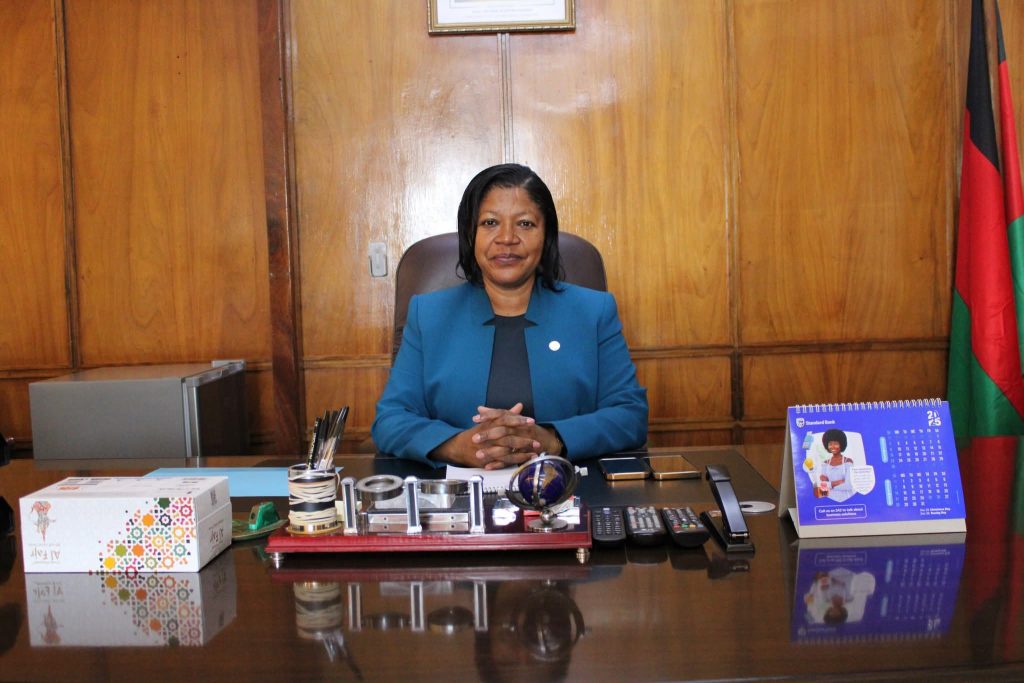
However, following this initial momentum, her visibility and engagement have notably declined. It has become difficult to discern the Ministry’s current priorities. Public communication on critical issues, such as recent mining incidents in Kasungu, the rationale and future direction of mineral bans, and strategies for electricity expansion, has been limited. This absence has left a vacuum in public understanding and confidence.
Electricity supply remains a significant challenge, yet the Minister has not articulated a clear roadmap to address the energy deficit or guide the country toward sustainable power solutions. Similarly, natural resource management and conservation, including forests like Kaningina, Chikangawa, Dzalanyama, Dedza, Zomba, Chikala, and parts of Mulanje, appear neglected, with continued encroachment and erosion despite the Ministry’s mandate.
Overall Assessment:
Early achievements demonstrated capability and potential, but lack of sustained engagement and agenda-setting has constrained the Minister’s impact. Malawians expect visible leadership on electricity, mining, and natural resource conservation to restore confidence and drive meaningful change.
Rating: B
Outlook: Conditional. A return to proactive leadership, clear communication on sector priorities, and visible interventions in energy, mining, and conservation could elevate the rating to A in 2026.
Jappie Mhango, M.P.,GRADE C
Minister of Lands, Housing and Urban Development
The Minister made notable progress in curbing reckless land developments and encroachments, addressing a key concern for property rights and national land management. However, beyond this achievement, his presence in the public domain has been limited, despite the critical nature of his portfolio.
Stronger public engagement and visible leadership—particularly in protecting land owned by Malawians—would have reinforced confidence in the Ministry’s role and priorities. It is worth noting that this assessment reflects his tenure prior to his move to the Ministry of Transport.
Overall Assessment:
Effective in targeted interventions but limited public visibility constrains overall impact.
Rating: GRADE C−
Outlook: Positive. Enhanced public engagement and sustained oversight of land issues could improve his political rating in future evaluations.
Joel Chigona, M.P., GRADE C
Minister of Labour Skills and Innovation
The Ministry has largely been inactive under the Minister’s watch, with little public engagement or visible initiatives. While he retained his position following the recent cabinet reshuffle, his tenure so far has been characterised by minimal visibility, making him the most low-profile minister to date.
There is urgent need for proactive leadership to advance the President’s agenda of equipping young Malawians with marketable skills. Without clear interventions, program rollouts, or public communication, the Ministry risks underdelivering on a critical national priority.
Overall Assessment:
Currently inactive and invisible, with significant potential for improvement if strategic focus and public engagement are prioritised.
Rating: C
Outlook: Conditional. Effective rollout of youth skills programs and visible leadership could rapidly improve his rating.
Patricia Wiskies, M.P, GRADE B
Minister of Youth, Sports and Culture
For a newcomer, the Minister has demonstrated a strong capacity to learn quickly and engage actively in public discourse. She has maintained a visible presence at key events and shows genuine interest in her portfolio, particularly in initiatives involving young people across multiple sectors.
Her current approach, however, remains somewhat routine. To elevate her impact, she will need to move beyond standard engagements and lead the Ministry in fostering vibrant, transformative youth participation. Encouraging young Malawians to take on leadership roles, not just support political figures, will be critical to realising the Ministry’s potential.
Overall Assessment:
Promising start with high visibility and engagement. With experience and proactive leadership, she is poised to rise further in effectiveness and influence.
Rating: B+
Outlook: Positive. Strategic initiatives that empower youth leadership could justify an upgrade to A.
Dr. Shadrick Namalomba, M.P.,GRADE C
Minister of Information and Communications Technology
The Ministry of Information has struggled to maintain a coherent and effective communications strategy. Current practices are characterised by frequent misfires, including reactive “firefighting,” poorly edited releases, and withdrawn statements, which have dominated public discourse and undermined government messaging.
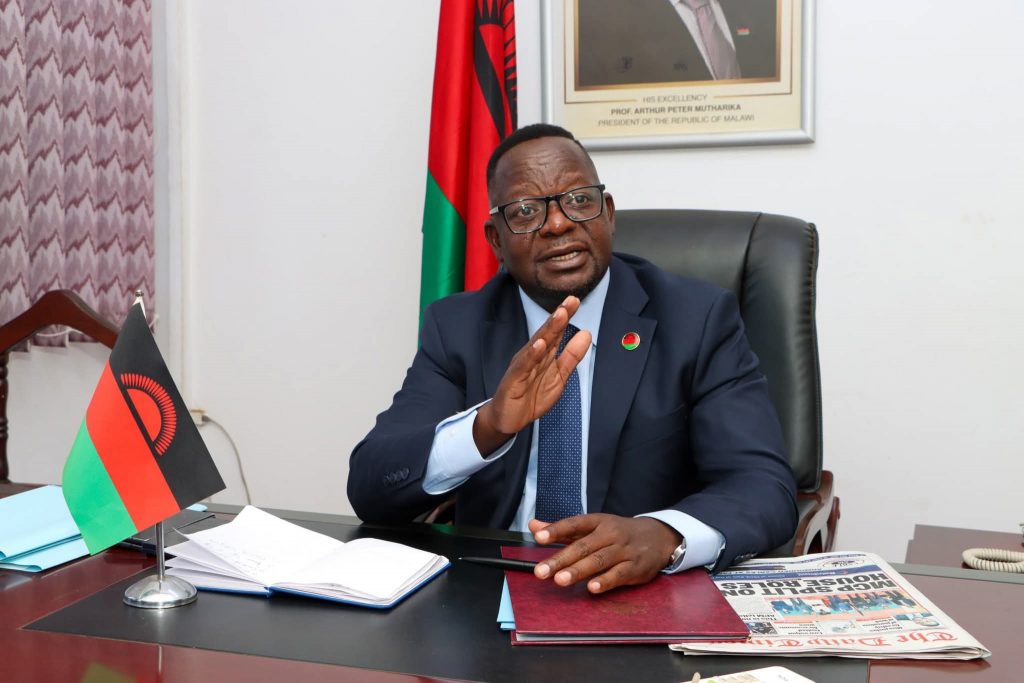
While Minister Namalomba demonstrates political acumen and responsiveness, the Ministry lacks a structured communications system capable of sustaining a clear narrative on government initiatives. Contradictory statements from other ministries further dilute the impact of his efforts, highlighting the urgent need for skilled media personnel, strategic coordination, and standard operating procedures across all government communications channels.
There is significant room for improvement, including professional training for staff and the development of an information manual to reduce errors and inconsistencies. Strengthening the Ministry’s capacity is critical to enhancing public confidence and reinforcing the government’s ability to communicate its agenda effectively.
Overall Assessment:
Competent political leadership at the helm, but operational and systemic weaknesses in communications limit effectiveness.
Rating: C+
Outlook: Positive. Implementation of a coordinated communications strategy, skilled personnel deployment, and standardized protocols could elevate the Ministry’s effectiveness and public credibility.
He gets a C for now.
Chimwemwe Chipungu, M.P.,GRADE B
Minister of Defence
During his tenure at the Ministry of Defence, Chipungu succeeded in elevating the public profile and political relevance of the portfolio. He built a strong narrative around the importance of the Defence Ministry, maintaining consistent engagement with the department and demonstrating visible leadership by attending and actively participating in nearly all key events. Notably, he stands out as the only minister to have successfully drawn the President to attend a Defence Ministry function, underscoring his political energy, influence, and charisma.
His leadership style brought momentum and visibility to a ministry that often operates in the background. However, a significant gap remained in articulating a clear and sustained roadmap for improving the welfare of men and women in uniform. While this issue is critical for morale and long-term institutional strength, it was not sufficiently developed within the broader public narrative, leaving an important agenda item for his successor.
Overall Assessment:
Chipungu’s tenure at Defence was marked by strong visibility, effective narrative-building, and energetic political leadership. The absence of a clearly communicated welfare reform agenda prevents a higher rating but does not diminish the overall positive impact of his stewardship.
Rating: B
DEPUTY MINISTERS- NOT GRADED AS THEY ARE DELEGATED DUTIES
THE INVESTIGATOR MAGAZINE GRADING EXPLAINED
- A*: 56 points (Outstanding)
- A: 48 points (Excellent)
- B: 40 points (Good)
- C: 32 points (Satisfactory)
- D: 24 points (Adequate)
- E: 16 points (Limited/Pass)
- U: Unclassified (Fail)


More Stories
PAC Shields Amaryllis Owners
Amarillys Hotel scandal: K5 bn withdraws captured on CCTV
K90 billion Amaryllis